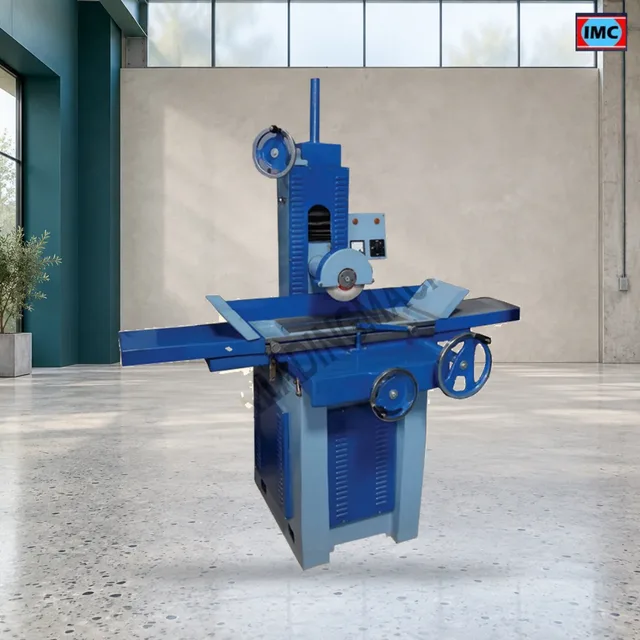
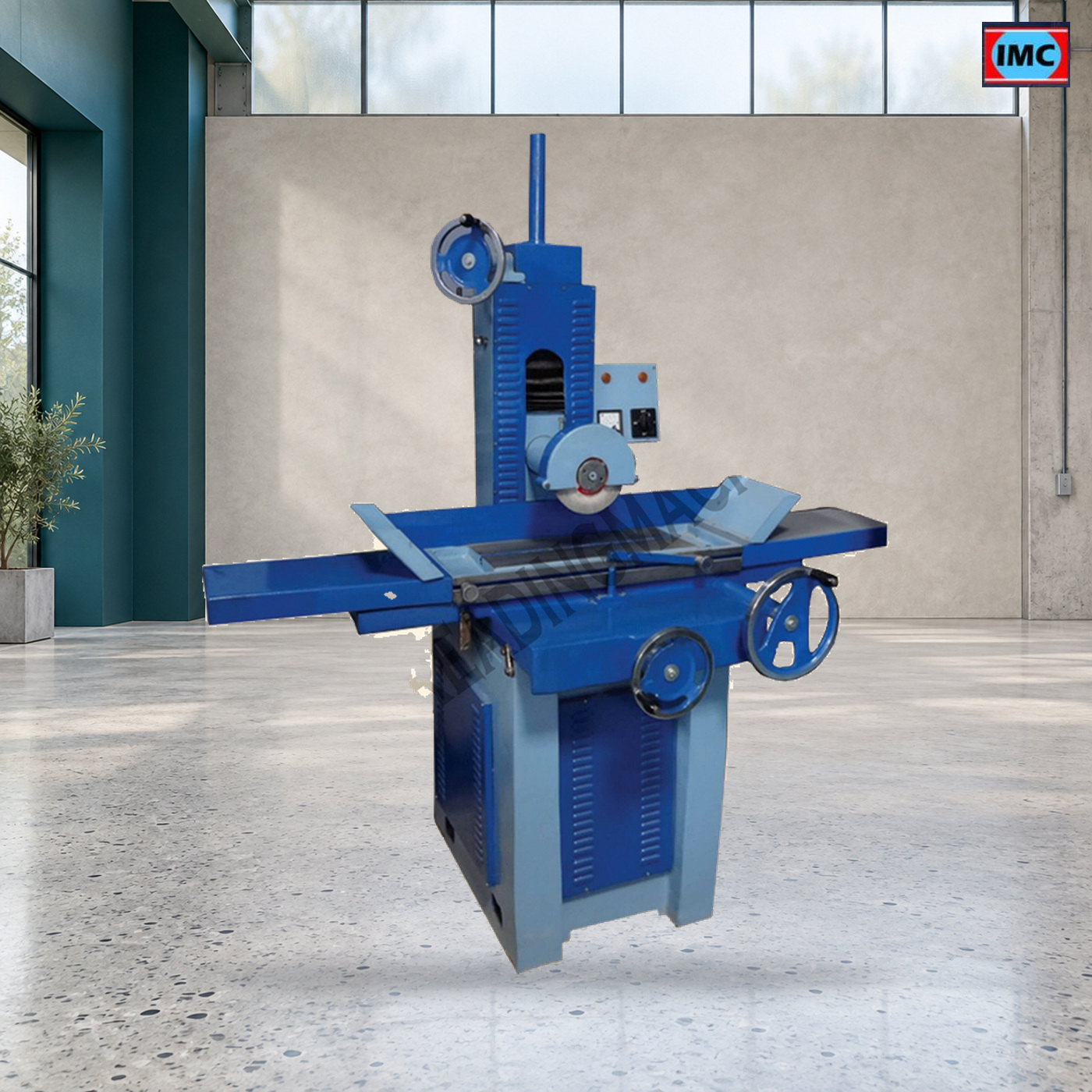
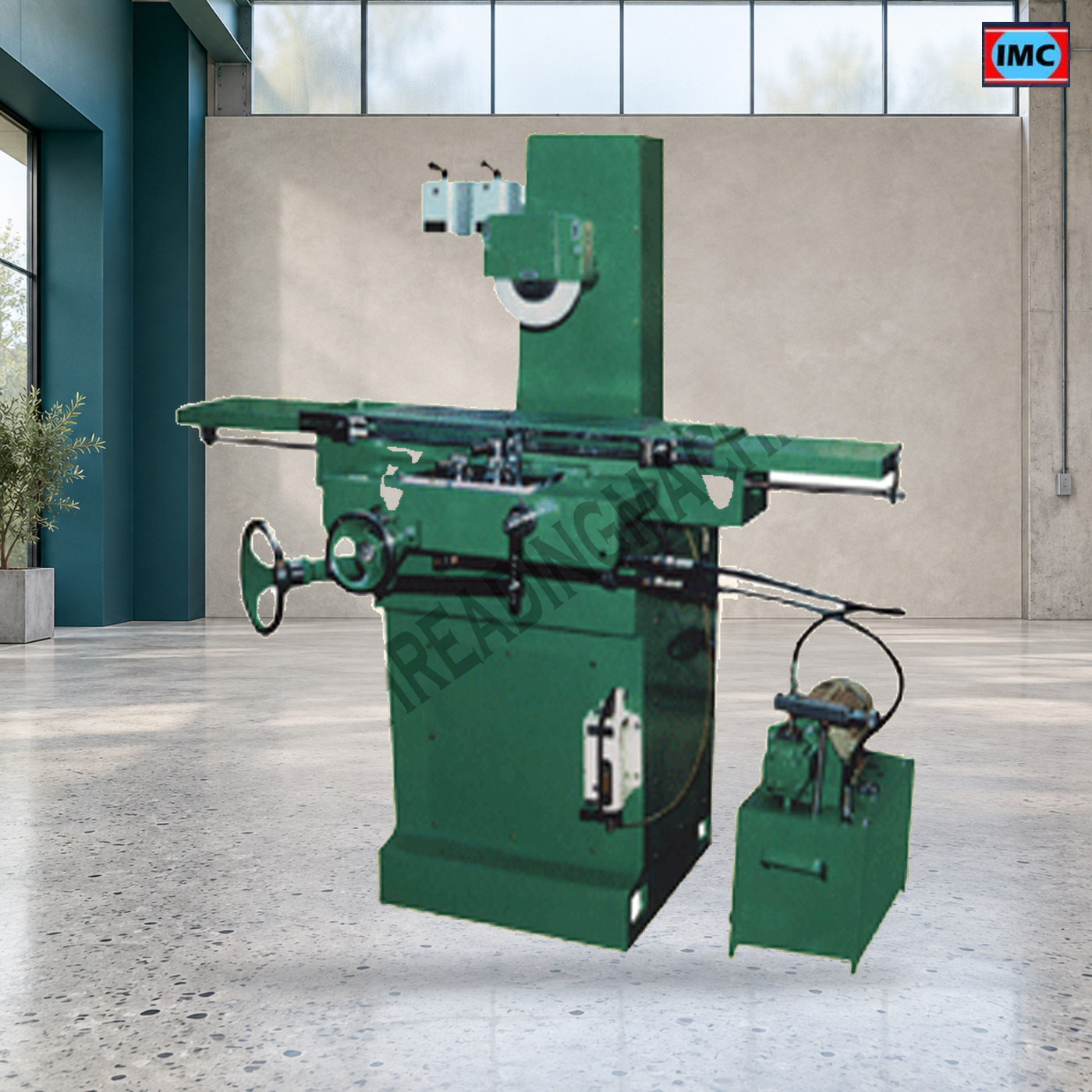
This guide explains the working process and selection of Hydraulic Surface Grinder.
Understand the working process
The purpose of this configuration is to grind flat metal workpiece surfaces with a suitable grinding wheel and hydraulic surface-grinding configuration. The rotating abrasive wheel removes controlled material from the held workpiece surface as the table presents it to the grinding area. The process begins with a suitable component or starting stock and a defined result. Before selecting equipment, identify workpiece material and dimensions, stock allowance, flatness and finish requirement. These requirements establish the operation to be performed and the information needed for the setup.
Review the setup sequence
The tooling and holding discussion includes table working area and travel, workholding, wheel suitability and coolant arrangement. Check compatibility and the supplied operating guidance before starting a new job or changing a component size. Grinding capacity must include workholding and wheel clearance, not only the size of the machine table. Preparation and any following production stage must be considered separately where the finished component needs additional work.
Check the result and select the model
The component review should cover surface finish, flatness and finished dimensions according to the part drawing. Agree the inspection requirements for a representative sample before comparing output estimates. Consult the specifications below and discuss the drawing and material with IMC. Select the available options and use the Quote List to request a configuration with clearly identified tools and accessories. This working overview supports selection; follow the instructions supplied for the actual machine.